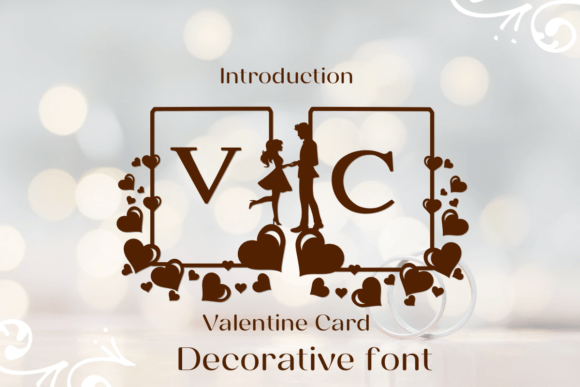
Valentine Card Font: The Decorative Masterpiece for Romantic Designs
When a project calls for genuine emotion rather than just text, the Valentine Card font steps in as a crucial design asset. This typeface is not merely a collection of letters; it is a visual whisper of affection, combining the structural integrity of elegant serifs with the playful charm of whimsical heart accents. For designers and creatives, finding a premium font that balances sophistication with sentiment can be challenging, but this specific typeface bridges that gap beautifully. It captures the essence of modern romance, making it an indispensable tool for anyone looking to infuse their work with a narrative of love.
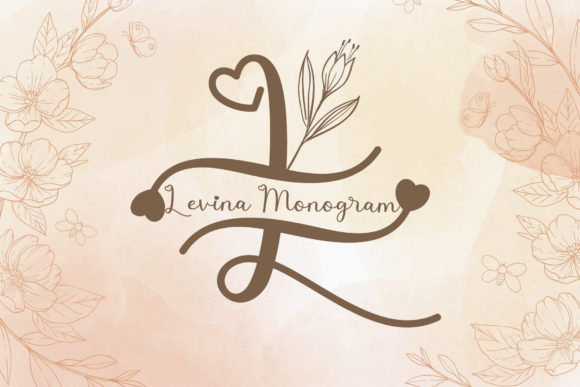
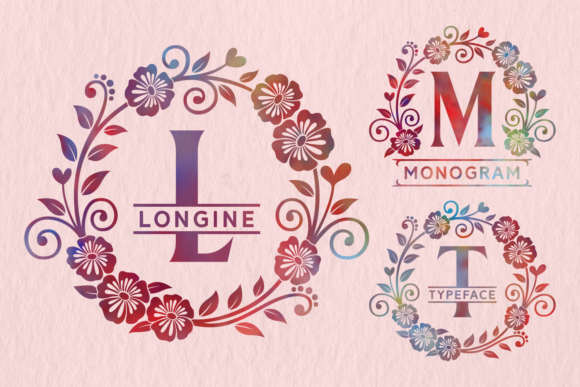
The visual personality of the Valentine Card font relies on its duality. It possesses the legibility and grounded nature of a traditional serif font, yet its decorative elements—subtle curves and integrated heart motifs—give it the flair of a script font. This makes it a versatile creative font. Unlike a standard handwritten font that might feel too casual for formal occasions, or a rigid serif that feels too corporate, this typeface sits in the sweet spot of elegant storytelling. It feels bespoke, as if each letter was crafted specifically for the message it carries. When you look at the letterforms, you notice the high contrast in stroke weight and the sharp, clean terminals, which ensure that even with its ornamental style, it remains a functional display font.
Strategic Applications in Branding and Marketing
Understanding where to deploy the Valentine Card font is key to maximizing its impact. In the realm of brand identity, this typeface shines brightest for businesses that trade in experiences, memories, and celebrations. Wedding planners, boutique bakeries, jewelry designers, and high-end florists can use this commercial font to instantly communicate a promise of quality and care. It sets a mood before the customer even reads the copy. In packaging design, using this font on a label or box sleeve can elevate a simple product into a gift, suggesting that the contents are as special as the typography that contains them.
For editorial design and web design, the approach requires a bit more restraint. Because it is a decorative font, it is best used for headlines, pull quotes, or hero text on a landing page. Imagine a lifestyle blog post about anniversary gift ideas; using the Valentine Card font for the H1 and H2 headings creates a cohesive, thematic experience that draws the reader in. It works exceptionally well in social media graphics, where the competition for attention is fierce. A bold, romantic header in this font can stop the scroll, particularly for campaigns centered around Valentine’s Day, Mother’s Day, or wedding season.
Digital Presence and Seasonal Campaigns
In the digital space, the font’s utility extends to logo design for niche markets. A romantic getaway service or a dating app focusing on serious relationships could utilize the Valentine Card font to soften their brand image. However, it is vital to consider the context. This font thrives in seasonal marketing. When December or February rolls around, marketers need assets that scream "celebration." This typeface provides that immediate visual cue. It transforms standard email headers and website banners into invitations. The aesthetic appeal of the font helps in creating a sense of urgency and exclusivity, which is a powerful psychological tool in conversion-focused design.
The Art of Font Pairing and Hierarchy
One of the most practical aspects of using a display font like the Valentine Card font is learning how to pair it. A common mistake in modern typography is overcrowding a design with too much personality. To let this decorative masterpiece shine, you must give it breathing room. The most effective strategy is to pair it with a clean, geometric sans serif font. The neutrality of a sans serif acts as a canvas, allowing the intricate details of the Valentine typeface to take center stage without visual competition.
For example, if you are designing a wedding invitation suite, you might use the Valentine Card font for the names of the couple and the date—elements that need high emotional impact. Then, use a legible sans serif for the venue details, dress code, and RSVP information. This creates a clear visual hierarchy. The viewer’s eye is immediately drawn to the most important, emotional information, and then flows naturally to the functional details. This principle applies across all formats, whether you are laying out a physical card or designing a mobile interface.
Testing and Technical Considerations
Before finalizing your design, rigorous testing is non-negotiable. While the Valentine Card font is designed for impact, readability can vary depending on the medium. On screen, particularly on mobile devices, very thin serifs or overly complex heart accents can sometimes pixelate or blur if the font size is too small. Always test your social media graphics on multiple devices. For print, such as stationery or mugs, the resolution is usually higher, but you still need to ensure that the ink doesn't bleed into the negative space of the letters.
Furthermore, check the licensing details of this commercial font. If you are a freelancer creating a logo for a client, or a business owner printing merchandise like shirts or banners, you need to ensure you have the appropriate license for that specific usage. Most premium font providers offer different tiers for desktop, web, and app usage. Understanding these terms protects your business and respects the type designer's work. Also, explore the included styles. Many premium fonts come with alternates or ligatures—special character combinations that connect letters in unique ways. Enabling these OpenType features can make your typography look even more custom and polished.
Beyond Romance: Versatility in Everyday Creativity
While the name suggests a singular focus, the utility of the Valentine Card font extends well beyond February 14th. Its elegant structure makes it suitable for any project that requires a touch of luxury or softness. Consider using it for content related to self-care, beauty, or high-end fashion. The "romantic" style is often synonymous with "premium" in the consumer's mind. A skincare brand, for instance, could use this font to communicate gentleness and attention to detail.
It is also an excellent choice for personal creative projects. If you enjoy scrapbooking, journaling, or creating personalized gifts, this font is a joy to use. You can use it for taking notes in a digital planner or writing in a diary to add a special flair to your memories. The versatility of the Valentine Card font allows it to adapt to the user's intent. It can look playful and whimsical on a birthday card, or serious and stately on a formal dinner menu. By adjusting the color palette and the surrounding design elements, you can completely alter the personality of this typeface to fit the specific narrative you are trying to build.
Ultimately, the Valentine Card font is more than just a seasonal asset; it is a tool for connection. In a digital world saturated with cold, geometric sans serifs, this typeface offers a human touch. It reminds the viewer of handwritten letters and thoughtful gestures. For designers, entrepreneurs, and creators, adopting this font means choosing to prioritize emotion and storytelling in their work. Whether you are building a brand identity from scratch or refreshing your seasonal marketing, this decorative masterpiece ensures that your designs don't just look good—they feel right.