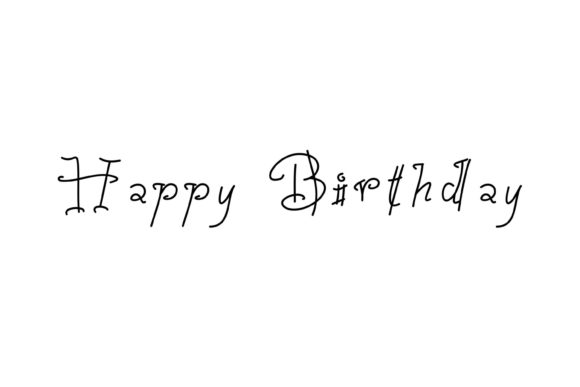
Happy Birthday Font: A Handwritten Asset for Creative Projects
There's a reason handwritten fonts never go out of style. They carry warmth, personality, and an immediate sense of authenticity that rigid typefaces often struggle to deliver. Happy Birthday Font sits squarely in that sweet spot—it's a cute, simple, and approachable lettered handwritten font designed to feel personal without sacrificing clarity. Whether you're building a brand, designing invitations, or creating social media content, this typeface brings a human touch that resonates with audiences across age groups and contexts.
What makes it stand out among the hundreds of available script fonts is its balance. It doesn't try too hard to be whimsical or overly casual. Instead, the letterforms feel natural, almost as if someone sat down with a felt-tip pen and wrote out each word with care. The strokes are consistent enough to remain legible at various sizes, yet organic enough to avoid looking sterile. That combination is harder to find than you might think, and it's precisely why Happy Birthday Font deserves a closer look from designers, entrepreneurs, and content creators alike.
Understanding the Visual Personality
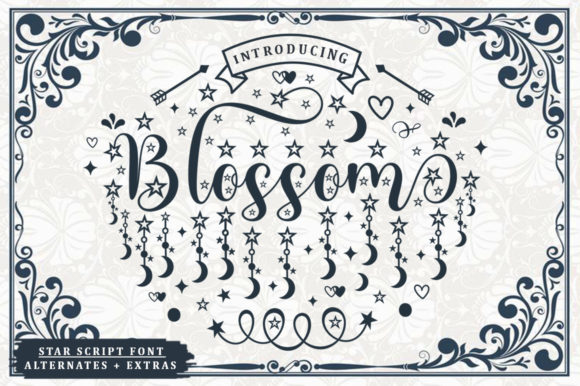
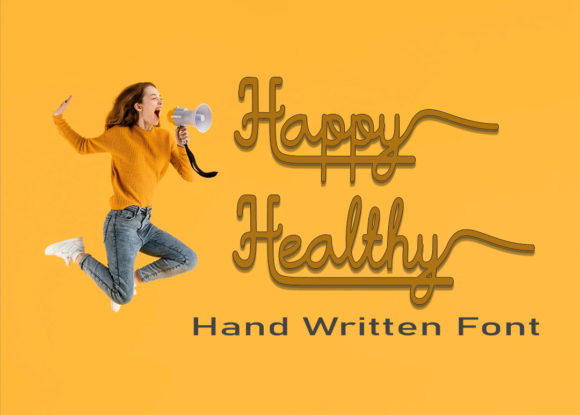
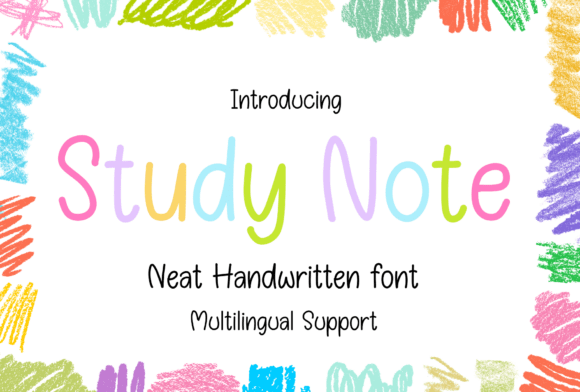
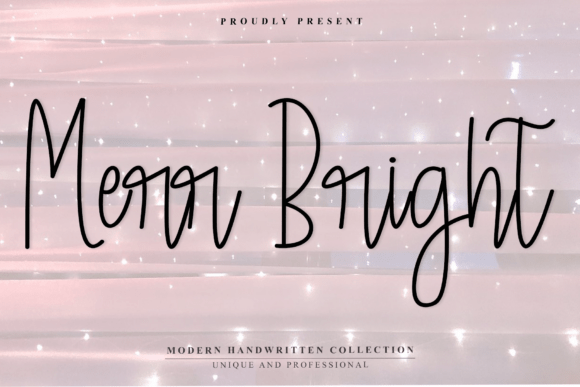
Happy Birthday Font has a relaxed, friendly energy. The characters lean slightly, giving the text a gentle forward motion that feels inviting rather than frantic. Unlike some display fonts that demand attention through sheer boldness, this one draws you in through its quiet charm. The lowercase letters are particularly well-crafted, with soft curves and subtle variations that mimic the natural inconsistencies of hand-lettering. Uppercase characters carry a bit more presence, making them useful for headlines and initial caps where you need a touch more emphasis.
The overall style avoids the extremes that plague many decorative typefaces. It's not so casual that it looks sloppy in professional contexts, nor so refined that it loses its handmade character. This middle ground makes Happy Birthday Font remarkably versatile. You could use it on a bakery's menu board, a children's book cover, a wedding website, or a small business's Instagram feed—and in each case, it would feel appropriate. That kind of adaptability is what separates a good premium font from one that collects digital dust after a single project.
Where This Font Truly Shines
Let's talk about practical applications, because that's where the real value lives. In editorial design, Happy Birthday Font works beautifully for pull quotes, subheadings, and feature article titles—places where you want to inject personality without overwhelming the reader. Pair it with a clean sans serif font for body text, and you create a visual hierarchy that feels both polished and approachable. The contrast between the handwritten style and a structured geometric typeface gives your layout breathing room and visual interest.
For packaging design, especially in artisanal or lifestyle markets, this font communicates craft and care. Think about small-batch candles, handmade soaps, specialty foods, or boutique clothing labels. The handwritten quality signals to consumers that a real person is behind the product, which builds trust and emotional connection. It's a subtle but effective branding strategy, and Happy Birthday Font executes it without looking amateurish.
Social media graphics are another natural home for this typeface. Platforms like Instagram, Pinterest, and TikTok reward content that feels authentic and personal. Using Happy Birthday Font for quote overlays, sale announcements, story highlights, or carousel headers gives your posts a distinctive visual voice. It helps your content stand out in crowded feeds where generic fonts blend into the background.
Beyond digital spaces, consider logo design for brands that want to project warmth and approachability. A coffee shop, a florist, a pet grooming service, a children's clothing line—these are businesses where a handwritten brand identity feels natural and trustworthy. Happy Birthday Font can serve as the foundation for a wordmark or be incorporated into a larger logo system alongside icons and complementary typefaces.
Pairing, Readability, and Practical Considerations
One of the most common mistakes with handwritten fonts is using them for long blocks of body copy. Happy Birthday Font is no exception. At small sizes or in dense paragraphs, even the most legible script typefaces become difficult to read. Reserve it for headlines, short phrases, callouts, and decorative elements where its personality can shine without creating friction for the reader.
When it comes to font pairing, the goal is contrast without conflict. A geometric sans serif font like Montserrat or Poppins creates a clean modern pairing. If you prefer something with more character, a transitional serif font like Lora or Source Serif Pro offers a sophisticated counterbalance. The key is to let Happy Birthday Font occupy the expressive role in your typography system while the secondary typeface handles the structured, readable work. Test your combinations at actual sizes and on real screens before committing—what looks balanced in a design tool can feel different on a phone or printed page.
Readability testing matters more than most people realize. Zoom out, squint, hand your phone to someone unfamiliar with the project and ask them to read a phrase aloud. If they stumble, the font isn't working for that particular use. Happy Birthday Font performs well in most display contexts, but context is everything. A headline on a poster reads differently than a name on a business card.
Before using any commercial font in client work or products for sale, review the licensing terms carefully. Most premium font licenses distinguish between personal and commercial use, and some have restrictions on embedding, modification, or distribution. Happy Birthday Font's license should cover your intended use case, but it's worth confirming before you build an entire brand identity around it. If you're a freelancer or agency, ensure the license permits use across multiple client projects or purchase accordingly.
Adding It to Your Design Assets
Every designer, marketer, and creative professional benefits from a well-curated library of design assets. Fonts are among the most frequently used tools in that library, and having a reliable handwritten option saves time and creative energy. Happy Birthday Font fills a specific niche—it's not trying to be the loudest or most dramatic typeface in your collection, but it might be the one you reach for most often when a project needs that human, celebratory quality.
Keep it organized alongside your other creative fonts, tagged by style and use case so you can find it quickly. When a client brief mentions "warm," "friendly," "personal," or "playful," you'll know exactly where to look. That kind of preparation separates professionals who deliver consistently from those who scramble at the last minute.
Ultimately, a font like Happy Birthday Font is a tool—and like any good tool, its value depends on how thoughtfully you use it. Match it to the right project, pair it with the right companion typeface, test it in real conditions, and respect its strengths. Do that, and this unassuming handwritten font will quietly elevate your work in ways that more dramatic typefaces can't always achieve.