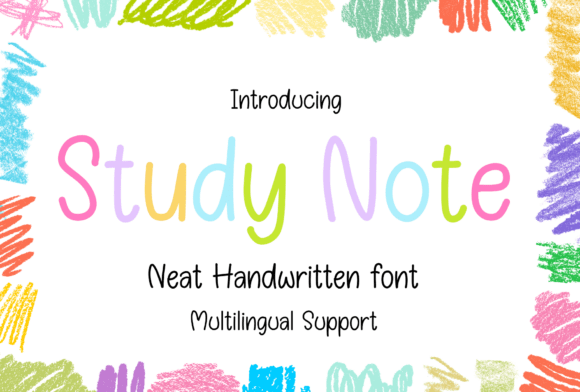
Study Note Font: A Friendly Typeface for Creative Projects
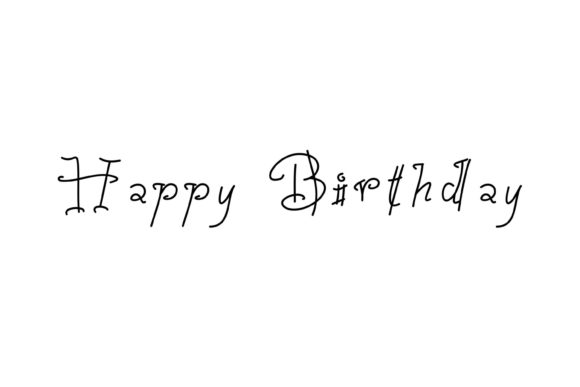
When a design calls for personality without sacrificing clarity, the typeface you choose becomes a critical decision. Many projects demand a human touch, something that feels crafted and approachable rather than sterile and overly corporate. The Study Note Font answers this need directly. It is a playful, friendly handwritten display font that brings genuine warmth and charm to a wide array of creative work. Its core appeal lies in its smooth curves and rounded letterforms, creating a natural, casual feel that remains remarkably easy to read. This balance of character and legibility makes it a versatile asset for both digital and print environments.
Visual Character and Practical Application
The personality of Study Note is immediately apparent. It avoids the erratic, sometimes illegible qualities of many script fonts. Instead, it offers a consistent baseline and clear letter separation, which is a significant practical advantage. The rounded terminals and gentle flow give it a friendly, almost conversational tone. It feels like a note from a friend, not a formal declaration. This makes it an excellent choice for projects where building a relatable connection with the audience is the primary goal. Think of the headers on a personal blog, the title on a workshop flyer, or the packaging for a handmade product. The font communicates care and authenticity.
For entrepreneurs and small business owners, Study Note Font can become a cornerstone of a brand identity that values approachability. It works beautifully in logo design for businesses like boutique bakeries, creative studios, tutoring services, or artisanal product lines. The font's inherent friendliness helps soften a brand's visual presence, making it feel more accessible and human. It is not a font for a law firm or a financial institution, but for a business built on personal service and creative passion, it can be transformative. Its utility extends directly into marketing and social media graphics. A call-to-action or a key message set in Study Note can cut through the noise of a busy feed because it feels personal and direct, like a handwritten note in a sea of typed memos.
Strategic Use in Design and Branding
Choosing a creative font like Study Note involves more than just personal taste; it requires a strategic evaluation of project fit. The font's style is inherently casual and modern. It aligns perfectly with contemporary trends in design that favor authenticity and a handcrafted aesthetic. Therefore, it is a strong candidate for editorial design in magazines or online publications targeting lifestyle, education, or DIY topics. Imagine it used for pull quotes, article subheadings, or section dividers to add visual interest and break up long blocks of text from a more neutral serif font or sans serif font. This kind of font pairing is essential. Study Note should not be used for body copy, as its display nature can cause eye strain in long paragraphs. Its strength is in headlines, short statements, and accent text.
The influence of this typeface on a project's visual hierarchy and audience engagement is notable. A heading in Study Note Font immediately sets a different tone than one in a bold, geometric sans serif. It suggests that the content to follow might be more personal, insightful, or creative. This can increase reader engagement by managing expectations from the first glance. For packaging design, the font can convey the product's handmade quality or the care put into its creation. A label for artisanal jam, a sleeve for a handmade candle, or the branding on a box of custom cookies would benefit from its warm, inviting character. It supports the story the product wants to tell.
Evaluating and Implementing the Typeface
Practical implementation of any premium font requires careful consideration. First, always review the full character set. Study Note Font includes uppercase and lowercase letters, numbers, punctuation, and multilingual characters with accent support. This comprehensive coverage is crucial for international projects or for brands that communicate in multiple languages, ensuring consistency across all materials. Before committing to a large project, test the font extensively. Place it in your actual design mockups. How does it look on a mobile screen versus a printed brochure? Does it maintain its clarity at smaller sizes used for subheadings? How does it interact with your chosen color palette?
Font pairing is where a designer's skill truly shines. The rounded, friendly forms of Study Note pair best with clean, simple typefaces. A classic serif font like Georgia or a clean sans serif font like Open Sans or Lato can provide a perfect counterbalance. The contrast creates a clear hierarchy: the display font grabs attention for key messages, while the paired font handles the detailed information. This combination ensures the design remains professional and highly readable. Avoid pairing it with other highly decorative or script fonts, as this will create visual chaos and undermine the professionalism of the design.
Finally, understand the licensing. Study Note is a commercial font, meaning its use is governed by a license agreement. This is standard for high-quality design assets. Ensure the license you purchase covers your intended use, whether for a single client project, unlimited personal projects, or commercial merchandise. Using a font legally protects both you and the font creator, and it is a hallmark of professional practice. By thoughtfully integrating a font like Study Note—understanding its personality, its ideal applications, and its technical specifications—you can elevate a project from merely functional to truly engaging and memorable.