Discover the Ravishing Elegance of Longine Font
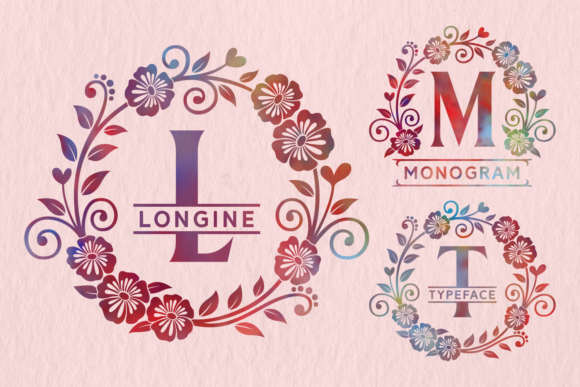
In the world of design, finding a typeface that captures a specific mood without overwhelming your content is a constant pursuit. You need a font that feels personal yet polished, delicate yet distinct. This is precisely where Longine Font steps in. It’s a frail and smooth decorative font that carries an air of refined elegance. Its thin, flowing strokes and graceful curves create a visual whisper, not a shout. This makes it an exceptional tool for projects that aim to feel intimate, luxurious, and thoughtfully crafted. If you're designing something that needs to evoke emotion and sophistication, understanding this typeface is your first step.
Anatomy of a Graceful Typeface
Longine isn't just another script font. Its personality is built on a foundation of subtle details. The letterforms are intentionally lightweight, with a consistent thin stroke that gives it a delicate, almost ethereal quality. The connections between letters are smooth and fluid, creating a seamless rhythm when you read a word or phrase. This cohesion is key to its charm. Unlike some handwritten fonts that can feel chaotic or overly casual, Longine maintains a structured elegance. Its serif font influences are minimal, but present in the slight terminal details, adding a touch of classic formality to its otherwise modern script style. This blend makes it a versatile creative font that bridges the gap between traditional calligraphy and contemporary modern typography.
Where Longine Font Truly Shines
The true test of any premium font is its application. Longine Font excels in scenarios where the goal is to create a sense of beauty, exclusivity, and personal touch. Its best use cases are often in display contexts—think headlines, logos, or accent text—rather than for long body paragraphs.
- Wedding and Event Stationery: This is Longine's natural habitat. Its graceful style is perfect for wedding invitations, save-the-date cards, menus, and program covers. It instantly sets a tone of romance and sophistication for your stationary art.
- Brand Identity and Logo Design: For brands in the beauty, wellness, boutique fashion, or artisanal food sectors, Longine can become a cornerstone of your brand identity. Use it for your logo, business cards, and packaging to convey a sense of handcrafted luxury and attention to detail.
- Digital Content and Social Media: Create eye-catching social media posts that stop the scroll. Longine is fantastic for Instagram quotes, Pinterest graphics, YouTube thumbnails, and blog post headers. Its visual appeal helps increase engagement and shares.
- Editorial and Publishing: In editorial design, it works beautifully for chapter titles, pull quotes, or magazine mastheads. It adds a layer of artistic flair to publications focused on lifestyle, design, or culture.
- Packaging Design: For products that want to communicate elegance—from gourmet chocolates to artisanal candles or high-end cosmetics—Longine on the packaging design can elevate the perceived value of the product itself.
Practical Guidance for Using Longine Effectively
Adopting a new font is more than just a download. To integrate Longine Font successfully into your workflow, consider these practical steps.
Evaluating Project Fit and Readability
First, ask yourself: does the project's core message align with Longine's personality? If you're designing a technical manual or a children's educational workbook, this is likely not the right fit. Its strength is in evoking emotion, not conveying complex information. Always prioritize readability. Test the font at the actual size it will be used. While stunning at larger display sizes, its thin strokes can become challenging to read at small body text sizes, especially on low-resolution screens. A good rule is to pair it with a highly legible sans serif font or a clean serif font for any supporting text.
Mastering Font Pairings and Hierarchy
A great font pairing creates contrast and visual hierarchy. Longine's ornate nature means it pairs best with something simple and structured. Try combining it with a neutral sans serif like Montserrat or a classic serif like Garamond for body copy. This contrast ensures the decorative font stands out without causing visual clutter. Use Longine for key elements—your main headline, a product name, a call-to-action phrase—and let a more straightforward typeface handle the paragraphs and smaller details.
Understanding Licensing and Assets
Before using any commercial font, verify its licensing. Most premium fonts like Longine come with specific terms for personal and commercial use. Check if the license covers the number of users, the types of projects (e.g., print, web, merchandise), and whether it includes any additional design assets like alternate characters or stylistic sets. Reviewing the included styles—is it just one weight, or does it have light, regular, and bold variations?—will help you plan your designs more thoroughly.
Testing for Brand Consistency
For entrepreneurs and small business owners building a brand identity, consistency is everything. Create a test document with your brand's color palette and imagery. Set Longine alongside your other chosen fonts. Does it reflect the brand's values? Does it work across your website, social media templates, and print materials? This hands-on testing ensures the font becomes a reliable part of your brand's visual language, enhancing professionalism and recognition over time.
Ultimately, Longine Font is a specialized tool for the discerning designer. It offers a pathway to creating visuals that feel personal, luxurious, and deeply engaging. By understanding its strengths and applying it thoughtfully, you can transform ordinary projects into gorgeous, memorable works of art. Whether you're a crafter, a marketer, or a brand strategist, this typeface provides the elegance needed to make your next project truly ravishing.