Bao Buns Font: Ancient Aesthetics for Modern Design
Understanding the Brush-Stroke Soul of Bao Buns
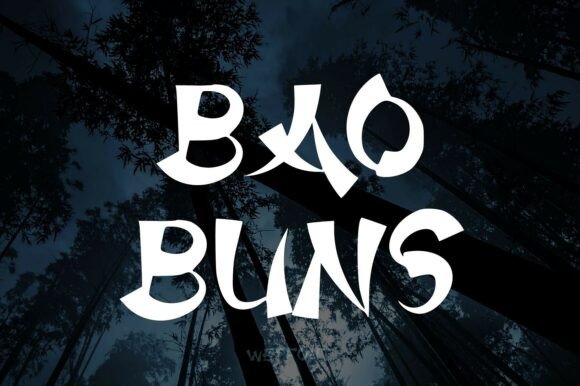
At first glance, the Bao Buns Font isn't just a typeface; it's an artifact. It immediately transports you to a world of weathered temple carvings and delicate, ink-soaked scrolls. This creative font is a masterful study in contrast, blending the fluid, confident energy of traditional East Asian calligraphy with a texture that feels authentically aged and hand-crafted. The letterforms possess a powerful, organic flow, yet they are imbued with a subtle, eroded quality, as if each character has been carved from stone or brushed onto aged parchment and left to the gentle wear of time.
This isn't a font that whispers; it speaks with a resonant, historical voice. The strokes have a visible weight and texture that add immense character. You can almost see the calligrapher's brush lifting and pressing, leaving behind marks that are both elegant and substantial. For designers, this presents a unique opportunity. Using Bao Buns is less about selecting a font and more about adopting a visual language—one steeped in cultural heritage, artistic depth, and a touch of the mystical. It serves as a powerful design asset for projects that need to convey tradition, sophistication, and a story that feels much older than today.
Where Tradition Meets Modernity: Practical Applications
The true value of a specialized display font like Bao Buns lies in knowing where its personality can shine without overwhelming a project. Its strength is in creating an immediate, powerful impression, making it ideal for headlines, logos, and short, impactful text blocks. Think of it as the cornerstone of a brand's visual identity, setting a tone that is instantly recognizable and deeply evocative.
Branding and Identity with Cultural Resonance
For entrepreneurs and small business owners, especially in specific niches, Bao Buns can be a transformative element in logo design and brand identity. Consider its impact for:
- High-End Asian Restaurants & Tea Houses: It instantly communicates authenticity and a deep respect for culinary or cultural tradition, moving beyond generic stereotypes.
- Luxury Product Packaging: For brands selling premium teas, artisanal ceramics, or wellness products with an Eastern influence, the font adds a layer of perceived value, history, and craftsmanship.
- Cultural Event Promotion: Festivals, art exhibitions, and film screenings focused on Asian history or fantasy themes can use Bao Buns to create a captivating and thematic visual identity.
In these contexts, the font becomes a key part of the brand's story. It signals a commitment to quality and a deep understanding of the culture it represents, helping to build a loyal audience that appreciates that depth.
Editorial and Digital Storytelling
Beyond logos, the font excels in editorial design and digital projects where creating an atmosphere is paramount. Imagine the title sequence for a historical documentary or the cover of a fantasy novel—the Bao Buns typeface can set the entire narrative mood in a single line of text. In web design, it can be used for major section headers to create dramatic visual breaks and guide the user's eye. For social media graphics, a quote or announcement set in this font can stop a user mid-scroll, offering a moment of artistic beauty amidst the noise. It’s a creative font that demands attention and rewards it with visual richness.
Integrating Bao Buns into Your Design Workflow
Adopting a powerful display font like Bao Buns requires a thoughtful approach to ensure it enhances, rather than complicates, your design. It's a tool for specific jobs, and understanding its nuances is key to using it effectively.
The Art of Font Pairing
Because Bao Buns has such a strong and detailed personality, pairing it with the right companion font is critical. The goal is to create a harmonious visual hierarchy. You need a workhorse font that can handle body copy and smaller text without competing for attention.
- With a Clean Sans Serif Font: This is often the most effective pairing. A simple, geometric sans serif provides a clean, modern counterpoint to the ornate texture of Bao Buns. This contrast allows the display font to be the star while ensuring readability for longer text.
- With a Neutral Serif Font: A classic, understated serif font can also work well, especially if you want to maintain a more traditional or literary feel throughout the design. Avoid serifs that are too decorative themselves.
Avoid pairing Bao Buns with other highly stylized script fonts or handwritten fonts, as this will almost certainly create visual chaos and undermine the professionalism of your design. The principle is balance: let one font be the voice, and the other be the supporting narrator.
Evaluating Readability and Licensing
As a premium font with intricate details, Bao Buns is best used at larger sizes where its character can be fully appreciated. Using it for paragraphs of body copy would sacrifice readability for style. Always test the font at the intended size and on the intended medium—what looks stunning on a large poster may lose its definition on a small mobile screen.
Before using Bao Buns in any commercial project, from client work to your own product packaging, it is essential to thoroughly review the font's licensing agreement. Ensure the license covers your specific use case, whether it's for digital ads, printed merchandise, or a website. Respecting the licensing of commercial fonts is a fundamental part of professional practice and supports the artists who create these valuable design assets. By carefully considering its application, pairing, and legal use, you can leverage the Bao Buns Font to craft visuals that are not only beautiful but also strategically sound, creating a lasting impression of timeless elegance and cultural depth.