Features Font: A Bold Choice for Modern Design
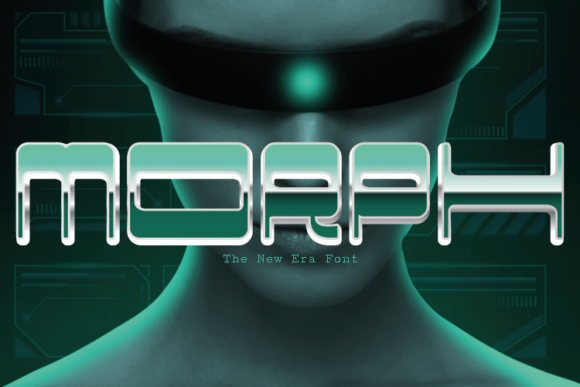
When you're working on a project that needs to make an immediate impact, the typography you choose does a lot of the heavy lifting. It sets the tone before a single word is read. This is where a typeface like Features Font comes into its own. It’s not a quiet, background player. It’s a display font with a distinct techno aesthetic, built for moments that demand attention. Think of the clean lines of a circuit board, the precise geometry of a modern interface, or the sharp angles of futuristic architecture. Features Font captures that cool, engineered vibe, making it a powerful tool in a designer's toolkit.
Its visual character is defined by geometric shapes, consistent stroke weights, and often, a slightly condensed or expanded form that feels both structured and dynamic. The letterforms feel intentional and crafted, avoiding unnecessary frills in favor of clarity and presence. This isn't a serif font for long-form book text, nor is it a flowing script font. It’s a specialist, a premium font designed for headlines, logos, and any context where a single word or short phrase needs to carry significant weight. Its personality is confident, innovative, and slightly edgy, appealing to audiences who appreciate contemporary design and technological sophistication.
Where Features Font Truly Shines
Understanding a font's strengths is key to using it effectively. Features Font excels in applications where its unique style can be appreciated without compromising the core message. Its techno-inspired look makes it a natural fit for the tech industry, gaming, music events, and modern startups. Imagine it on a poster for an electronic music festival or the hero text on a landing page for a new software product. The font immediately communicates a sense of innovation and forward-thinking.
Beyond the obvious tech sphere, its applications are surprisingly broad. In packaging design, it can make a product feel cutting-edge, perfect for energy drinks, audio equipment, or any brand positioning itself as a disruptor. For social media graphics, especially on platforms like Instagram or LinkedIn where visuals scroll by quickly, a strong headline in Features Font can stop the scroll. It’s equally effective in editorial design for magazine covers or section headers in a digital publication, where it can inject energy and modernity into the layout.
- Branding & Logo Design: Ideal for tech companies, creative agencies, and modern e-commerce brands seeking a distinctive identity.
- Marketing Collateral: Creates standout headlines on flyers, brochures, and digital ads.
- Web Design: Use it for hero sections, call-to-action buttons, and navigation menus to establish a strong visual hierarchy.
- Personal Projects: Perfect for custom apparel, event invitations, or personalized stationery with a modern edge.
Practical Guidance for Implementation
Choosing a creative font is only half the battle; using it well is what separates good design from great design. First, always consider your audience. While Features Font resonates with a demographic that appreciates sleek, contemporary aesthetics, it might feel out of place for a traditional law firm or a vintage-themed bakery. Context is everything. Evaluate the project's overall tone and ensure the font's personality aligns with your brand's message.
Next, think about font pairing. A display font like Features often works best when contrasted with a more neutral companion. Pairing it with a clean, legible sans serif font for body text creates a balanced and professional hierarchy. For instance, a bold headline in Features Font followed by paragraphs in a typeface like Open Sans or Lato ensures readability while maintaining the desired techno flair. Avoid pairing it with another highly stylized font, as they will compete for attention and create visual chaos.
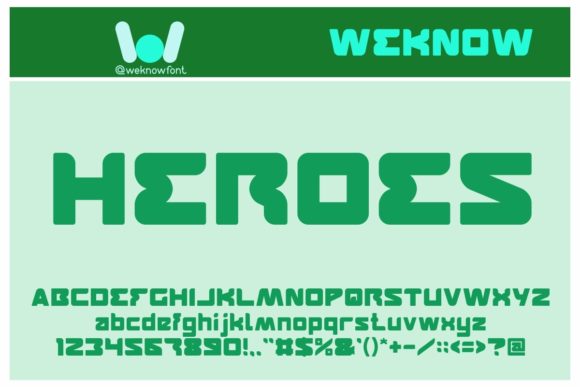
Before committing, review the full character set and any included styles. Does the font include necessary ligatures, numbers, and punctuation? Does it offer multiple weights? A versatile typeface family allows for more nuanced design work. Always test the font in context. Create mockups at the actual size it will be used to check for readability. While it’s a display font, the letter spacing (kerning) and overall legibility at smaller sizes, such as on a business card or a website button, are crucial.
Finally, pay close attention to licensing. If your project is commercial—whether it's for a client, a product you sell, or a monetized blog—you need a commercial font license. Most premium font foundries offer clear licensing options. Using a font correctly ensures your design assets are legally sound and protects your professional work. Features Font, as a specialized design asset, is an investment in your project's visual impact, and using it properly maximizes that return.
Making It Your Own
The real value of a typeface like Features Font lies in its ability to help you build a cohesive and memorable brand identity. It’s more than just letters; it’s a visual shorthand for the qualities you want to project. When used consistently across your touchpoints—from your website to your packaging to your social media—it reinforces brand recognition and professionalism. It tells your audience that you pay attention to detail and understand the nuances of modern communication.
Don't be afraid to experiment. Try it in all caps for maximum impact, or use the lowercase letters for a slightly softer, though still distinctly modern, feel. Play with color combinations; a white or light-colored text on a dark, high-contrast background often amplifies its techno vibe. Observe how other successful brands and designers utilize similar modern typography to see what resonates. Ultimately, the best way to explore the endless possibilities of Features Font is to start using it in your own designs, test its limits, and discover how it can elevate your next project from ordinary to unforgettable.