Dissfunction Font: A Raw Brush Typeface for Authentic Design
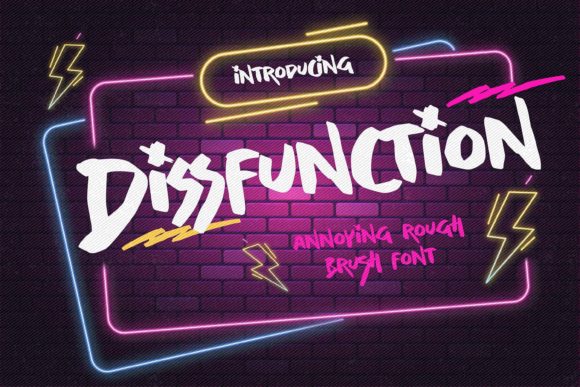
In a digital world saturated with clean, geometric perfection, there's a growing appreciation for the imperfect, the human, and the authentic. We're seeing a shift away from sterile uniformity toward designs that feel touched by a hand and shaped by a story. This is where the Dissfunction Font enters the conversation—not as another polished display font, but as a deliberately rough, handmade brush tool. It’s an annoying Rough Brush Display Font in the best sense: it annoys the predictable, disrupts the bland, and introduces a layer of organic texture that's hard to ignore.
Dissfunction isn't about technical glitches. Its name speaks to its character—a beautiful dysfunction, a break from the rigid grid. Every stroke carries the slight wobble and pressure variance of a real brush on real paper. The texture isn't a uniform digital filter; it's a complex, granular pattern that catches the light and adds depth. This handwritten font has a natural handwritten feel that feels relaxed and charming, yet its bold presence ensures it commands attention. It’s the typographic equivalent of a well-worn leather journal or a vintage concert poster.
The Authentic Edge: Where Dissfunction Truly Shines
Knowing a font's personality is one thing; understanding where to deploy it is where strategy comes in. Dissfunction Font is a specialist, not a generalist. Its strength lies in projects where a human touch, emotional resonance, and a touch of rebellion are desired.
- Branding & Logo Design: For a boutique coffee roaster, a craft brewery, an independent bookstore, or a handmade soap company, a logo set in Dissfunction can instantly communicate artisanal quality and a hands-on ethos. It suggests a brand that values process over mass production.
- Packaging & Labels: On a shelf crowded with sleek, minimalist packaging, a product label using this premium font stands out. It’s ideal for gourmet foods, specialty beverages, or any product where the story of its creation is a key part of its appeal.
- Editorial & Book Design: Think chapter openers for a gritty novel, the title treatment for a travel memoir, or a cookbook focused on rustic, home-style recipes. In editorial design, it can set a powerful mood before the reader even begins the first paragraph.
- Web Design & Social Media Graphics: Used strategically for headlines, hero sections, or bold calls-to-action on a website, Dissfunction can create a memorable focal point. For social media, it’s perfect for creating impactful quotes, announcement graphics, or story highlights that need to stop the scroll with personality.
- Invitations & Personal Projects: From wedding invitations with a bohemian flair to event posters for a local music gig or a workshop, it adds a layer of bespoke charm that generic fonts lack. Crafters can use it for scrapbooking, signage, and DIY projects.
It’s crucial to match the font's energy with the project's intent. A law firm's annual report would likely be a mismatch, but a studio specializing in creative font designs or a brand selling vintage vinyl records would find a perfect ally in Dissfunction.
Practical Integration: Using a Brush Font with Intention
Adopting a font with this much character requires a thoughtful approach to ensure it enhances rather than overwhelms your design. The goal is to leverage its strengths while maintaining clarity and professionalism.
Establishing Visual Hierarchy
The most effective use of a display font like Dissfunction is as a headline or accent typeface. Pair it with a clean, highly readable sans serif font for body copy. This contrast creates a dynamic visual hierarchy—the rough, expressive headline grabs attention, while the clean body text ensures your message is easily consumed. For example, Dissfunction for a blog post title paired with a font like Open Sans or Lato for the paragraphs below creates an engaging and readable layout.
Font Pairing and Context
Successful font pairing is about balance. Because Dissfunction is textured and informal, it often pairs best with simpler, more geometric sans serifs or even a sturdy, traditional serif font for a classic-meets-modern vibe. Avoid pairing it with other highly decorative or script fonts, as this can create visual chaos. Always test your pairings in context. See how the headline and body text look together on a mockup of a business card, a website header, or a social media post.
Readability and Application
While it’s a creative font, readability is paramount. Use Dissfunction for short, impactful text: titles, subheadings, logos, and pull quotes. It is not designed for long-form body text. Its charm is in its texture, which can become fatiguing to read in large blocks. For digital applications, ensure the font size is large enough for the brush details to render clearly on various screens.
Leveraging Its Full Character Set
A key feature of this font is that it is PUA encoded. This technical detail is a huge practical benefit. It means all the alternate characters, swashes, and ligatures are accessible in standard design software like Adobe Illustrator, Photoshop, or even Canva via a character map. This allows you to customize words, creating unique letter combinations that enhance the handcrafted feel. You can make a logo or headline truly one-of-a-kind by swapping in different 'A's or adding a flourish to a 'g'.
Evaluating for Your Brand Identity
When considering Dissfunction for a brand identity, ask: Does this font's personality align with our brand's voice? Is our brand approachable, rebellious, artisanal, or nostalgic? This font can become a core component of your visual identity, but it must be a consistent reflection of your values. Remember, it’s a commercial font, so review the licensing to ensure it covers your intended use, whether for a single client project or widespread commercial distribution.
Ultimately, Dissfunction Font is more than just a set of letters; it’s a design asset that brings emotion and texture to the table. Used with understanding and intention, it can help create designs that don't just look different, but feel different—designs that connect with an audience on a more human level. In the toolkit of modern typography, having a font that can break the rules beautifully is an invaluable asset.