The Playful Power of Happy Jhelly Font for Modern Projects
When you’re building a brand, the details matter. The right typography can be the difference between a design that feels generic and one that genuinely connects with your audience. Enter Happy Jhelly Font, a playful and cute sans serif typeface that’s making waves in the creative community. It’s not just another font; it’s a design asset with a distinct personality, one that brings warmth, approachability, and a touch of whimsy to any project it graces.
Understanding the Visual Personality of Happy Jhelly
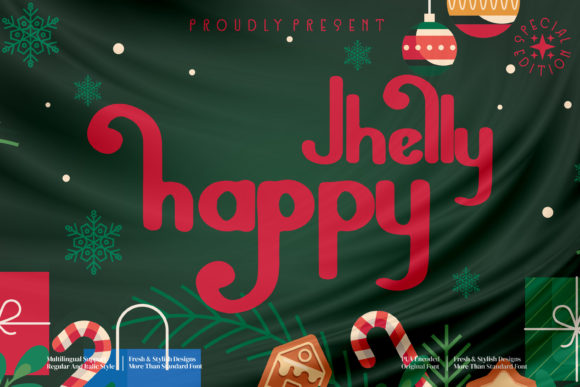
At its core, Happy Jhelly is a sans serif font, but it defies the cold, geometric stereotypes often associated with that category. Its letterforms are soft, rounded, and slightly inflated, giving it a friendly, almost tactile quality. Think of it as the typographic equivalent of a warm smile or a cozy sweater. The strokes are consistent in weight, avoiding the high contrast of a traditional serif font, which contributes to its clean and modern readability. The slight curves and gentle terminals prevent it from feeling sterile, instead infusing it with a cheerful, inviting energy. This makes it an excellent creative font for projects where you want to convey positivity, creativity, and a down-to-earth vibe.
Where does this personality shine brightest? The applications are surprisingly versatile. For logo design, Happy Jhelly Font can create a memorable mark for brands in lifestyle, wellness, children's products, artisanal goods, or any service that wants to appear friendly and accessible. In packaging design, it can make a product feel more personal and approachable on the shelf, whether it's on a coffee bag, a candle label, or a box of gourmet treats. For social media graphics, its playful nature can help stop the scroll, making quotes, announcements, and promotional posts feel more engaging and shareable. It’s equally at home on a wedding invitation, a blog header, or the cover of a self-published book, proving its strength as a versatile display font.
Practical Guidance for Using This Playful Typeface
Choosing a font is a strategic decision. Before integrating Happy Jhelly into your next project, consider a few practical points to ensure it’s the right fit. First, evaluate the tone of your project. Does it call for a serious, authoritative voice, or is it aiming for lightheartedness and connection? Happy Jhelly excels in the latter. It’s perfect for a yoga studio’s branding, a children’s educational app, or a indie maker’s product line, but might not be the ideal choice for a law firm’s primary body text.
Next, think about font pairing. A playful font like this works best when balanced with a more neutral companion. Try pairing it with a simple, geometric sans serif for body copy to maintain readability while letting the headings pop. For a more editorial or sophisticated twist, consider pairing it with a classic serif font. This contrast creates a dynamic visual hierarchy, where Happy Jhelly draws attention to key messages, and the companion font ensures the rest of the content remains easy to read.
Always test the font in context. How does it look at different sizes? While it’s designed for impact, check its legibility in smaller sizes for elements like captions or subheadings. Review the full character set and any included styles or alternates the premium font may offer—these can add unique flair to your design. Finally, for any commercial project, confirm the licensing. Using a properly licensed commercial font protects you legally and supports the type designers who create these valuable design assets.
How Thoughtful Typography Shapes Brand Perception
The fonts you choose do more than just spell out words; they communicate values. Consistently using a typeface like Happy Jhelly across your brand identity—from your website to your business cards to your packaging—builds recognition and a cohesive personality. It tells your audience that your brand is approachable, creative, and attentive to detail. This consistency is a cornerstone of professionalism. It shows that you’ve thoughtfully curated every touchpoint, which builds trust.
In editorial design and web design, typography guides the reader’s eye. A font with a strong personality, used strategically for headlines or pull quotes, can dramatically improve engagement and the overall visual rhythm of a page. It creates points of interest and helps structure content in a way that feels intentional and pleasing. For a small business owner or content creator, leveraging a tool like Happy Jhelly Font allows you to inject that professional, polished feel into your materials without needing a large agency budget. It’s a practical step toward elevating your visual communication, making your message not only heard but also felt.