Natural Font: The Essence of Organic Simplicity
In a digital world saturated with pixel-perfect precision and geometric rigidity, the Natural font feels like a deep breath of fresh air. It’s not just a typeface; it’s a deliberate shift in tone, offering a “Handwritten Casual” aesthetic that carries the authentic weight of a pen stroke on a paper napkin. For designers and entrepreneurs alike, this typeface is the antidote to the sterile, impersonal feel that can sometimes plague modern typography. It brings a human touch to the screen, creating a bridge between the digital experience and the tangible, organic world.
Visual Character: Slender, Irregular, and Unmistakably Human
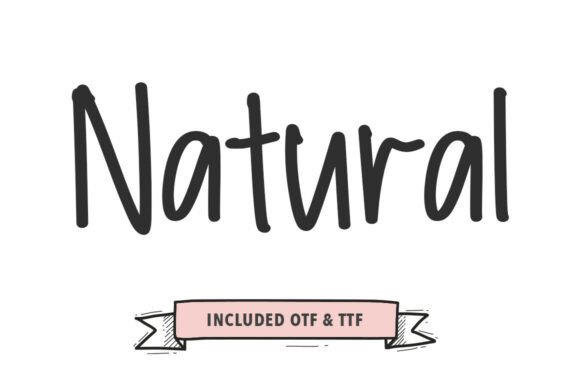
When you look closely at the Natural typeface, you notice its distinct personality. It is characterized by tall, slender proportions that give it an airy, elegant feel, avoiding the heaviness often associated with traditional serif fonts. The strokes are monolinear, meaning they maintain a consistent thickness, but they possess a slight, intentional irregularity. This isn't a flaw; it's the feature that defines its charm. This imperfection mimics the natural variations of hand-lettering, conveying a sense of effortlessness and organic warmth. It’s a premium font choice that doesn’t scream for attention but rather invites the viewer in for a closer look, embodying a style that is both transparent and honest.
Where Organic Warmth Meets Strategic Design
Understanding where a font performs best is half the battle in effective design. The Natural font excels in environments where connection, trust, and mindfulness are paramount. If you are working on eco-friendly branding or artisanal food packaging, this typeface becomes an essential design asset. It visually communicates the care and craftsmanship behind the product before the consumer even reads the label. It tells a story of authenticity, making it a powerful tool for packaging design where shelf appeal is critical.
Beyond the shelf, this creative font finds a perfect home in the digital sphere, particularly for lifestyle bloggers and yoga studios. Imagine a social media graphic featuring a mindful quote; the Natural font renders that text not just as information, but as an experience. It pairs beautifully with high-resolution nature photography, earthy textures, and botanical illustrations. For wedding stationery, especially within "Rustic" or "Bohemian" themes, it acts as a perfect companion. Whether used for guest names or intricate menu details, it adds a layer of romantic, personal elegance that rigid digital typefaces often struggle to achieve.
Mastering the Art of Pairing and Hierarchy
While the Natural font is striking on its own, its true power often emerges when paired with other typefaces. Because it has such a strong personality—a script font or handwritten font vibe—it requires a counterbalance to ensure readability and visual hierarchy. A common mistake is pairing it with another decorative serif font, which can result in visual clutter.
Instead, treat the Natural typeface as your primary display font for headlines, pull quotes, or specific call-outs. To enhance its charm, pair it with a very clean, minimalist sans-serif font for your body copy. This contrast is fundamental to modern typography. The clean lines of a sans-serif allow the organic flow of the Natural font to pop without overwhelming the reader. This pairing strategy is vital for maintaining professionalism in logo design and web design, ensuring that your brand identity remains legible and grounded while still feeling warm and approachable.
Practical Application: From Concept to Commercial Use
Integrating the Natural font into your workflow requires a bit of strategic thinking to maximize its impact on brand perception and audience engagement. Here is a practical guide to evaluating if this is the right choice for your project:
- Evaluate the Project Fit: Ask yourself if your brand voice is conversational and personal. If you are a financial institution or a tech startup aiming for a hyper-modern, futuristic look, a handwritten font might undermine your authority. However, if you are a small business owner, a crafter, or a personal brand, this font builds immediate rapport.
- Testing for Readability: While the Natural typeface is beautiful, it is best suited for display purposes. Avoid using it for long blocks of body text in web design or editorial design. Long paragraphs in a handwritten style can strain the eyes and reduce comprehension. Use it for short, impactful sentences where the "Human Touch" can be felt without slowing down the reader.
- Check the Styles: A high-quality premium font often comes with more than just the standard letters. Look for stylistic alternates and ligatures within the Natural font files. These features allow you to customize the look of specific letter combinations, making the text look even more authentically handwritten and less repetitive.
- Commercial Licensing: Before you launch that new product line or client website, ensure you have the correct commercial license. Typography licensing can be tricky; a license for a personal blog might not cover merchandise or large-scale corporate branding. Always verify that your usage rights match the scope of your project to protect your business.
Conclusion: Building a Brand with Authenticity
Choosing a typeface is rarely just about aesthetics; it is about psychology and strategy. The Natural font offers a unique opportunity to strip away the digital veneer and connect with your audience on a human level. Whether you are designing a menu for a local cafe, crafting a logo for a sustainable brand, or curating a Pinterest board for a wedding, this font serves as a bridge to authenticity. It reminds us that in a world of algorithms and automation, there is still immense value in the organic, the imperfect, and the natural. By leveraging its strengths and pairing it wisely, you can create a brand identity that feels both timeless and deeply personal.